Let's Be Clear:Reverse an Overdose
- Prevention
- Reverse an Overdose
If you or someone you care about is using opioids, the risk of an overdose is real — whether it's accidental or not. Opioid misuse can happen to anyone, and overdose can occur even when medications are prescribed. That’s why it’s so important to know the signs and be ready to act quickly.
Signs of an Overdose
Knowing the signs of overdose can save a life. Here’s what to look out for:
Slow or No Breathing: One of the most telling signs is extremely slow or stopped breathing.Unresponsiveness: The person may be unconscious, unresponsive to noise or not react when you rub the middle of their chest with your knuckles.
Blue or Gray Skin: A bluish tint to the lips or fingernails due to lack of oxygen.
Pinpoint Pupils: The person’s pupils may be very small, even in low light.
Gurgling or Choking Sounds: They may make strange noises or appear to be choking.
Limp Body: The person may be unable to support their own weight or move.
In an overdose emergency, dial 911.
If you suspect someone is experiencing an overdose, it’s important to administer naloxone and get help immediately.
Naloxone: How It Works
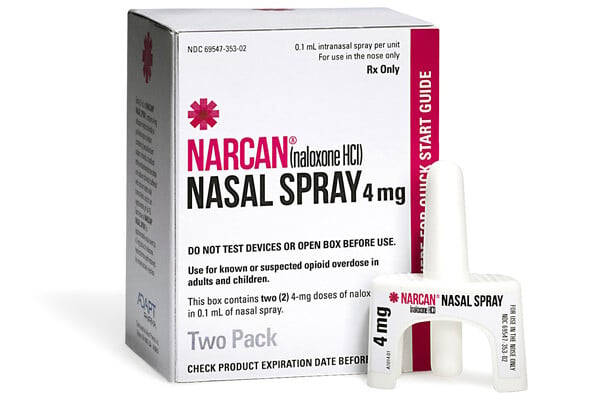
Naloxone, also known by the brand name Narcan, is a life-saving medication that can reverse the effects of an opioid overdose. It works quickly by blocking the effects of the substances and restoring normal breathing.
- Safe and Effective: Anyone can administer naloxone to save a life. naloxone is safe to use, even if the person isn’t experiencing an overdose. Don’t worry, it won’t harm them if it turns out they don’t need it.
- Easy to Administer: Naloxone comes in a nasal spray (Narcan) or an injectable form. Both are simple to use, even in high-stress situations.
- You’re Protected When You Use It: The 911 Good Samaritan Law protects people from being charged with possession if administering naloxone or trying to get medical help for someone in distress. Naloxone is not a controlled substance, so you shouldn’t be reluctant to use it in an overdose situation.
Let’s Be Clear:
Naloxone can restore a person’s normal breathing in just 2 to 3 minutes.
How to Use Naloxone
Naloxone is straightforward and easy to use.
- Assess the situation: If you suspect an overdose, try to wake the person by shouting their name or gently shaking them.
- Call 911 immediately: Follow dispatch instructions. South Dakota law protects a person who is overdosing and the person who called for help from legal trouble.
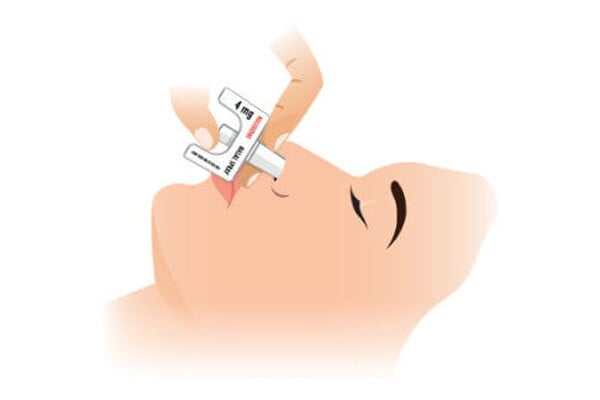
- Administer naloxone: Follow the directions below to properly administer naloxone based on your available medication type.
- Keep the person alert: Try to keep the person awake and breathing.
- Properly position the person: Lay the person on their side to prevent choking.
- Monitor the person: Stay with the person until help arrives.
1. Nasal Narcan
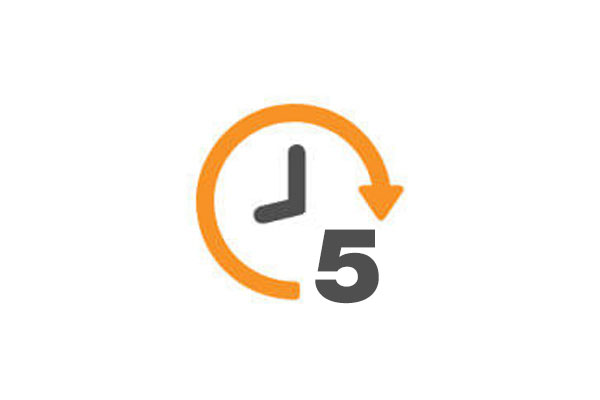
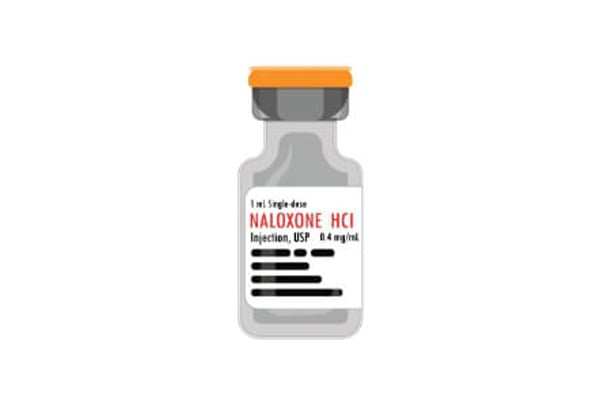
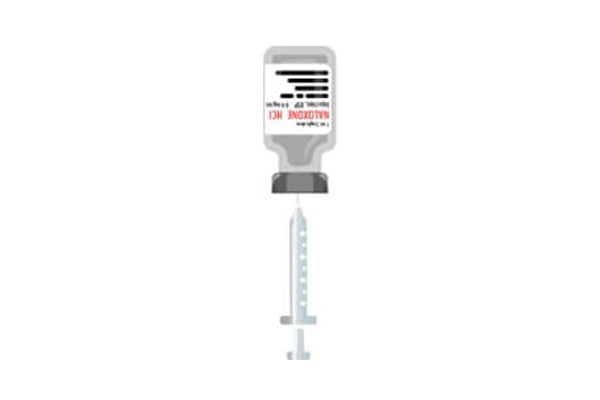
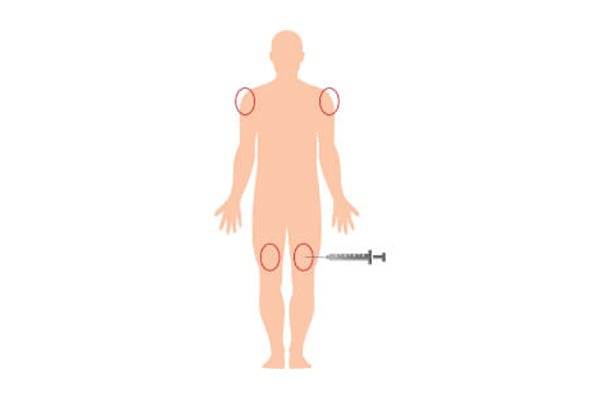
2. Injectable Naloxone
*Injectable naloxone is recommended primarily for first responder or EMS use but is available at participating pharmacies.
- Opioids work and the risk factors involved
- To recognize and safely address an opioid overdose and provide basic life support care
- To properly use and store naloxone
- The law protects you and your rights when administering naloxone
First Responders
Through the South Dakota naloxone Project, first responders, law enforcement and hospital staff can access free training and education on how to recognize an overdose, safety recommendations and how to reverse an overdose.
Employers & Businesses
Effective July 1, 2023, House Bill 1162 authorized employers to acquire and make available opioid antagonists. If you are an employer looking to obtain the appropriate training to recognize the symptoms of an overdose and respond quickly, you can access the free training, resources and guidance on how to obtain naloxone.